
 Local SEO Strategy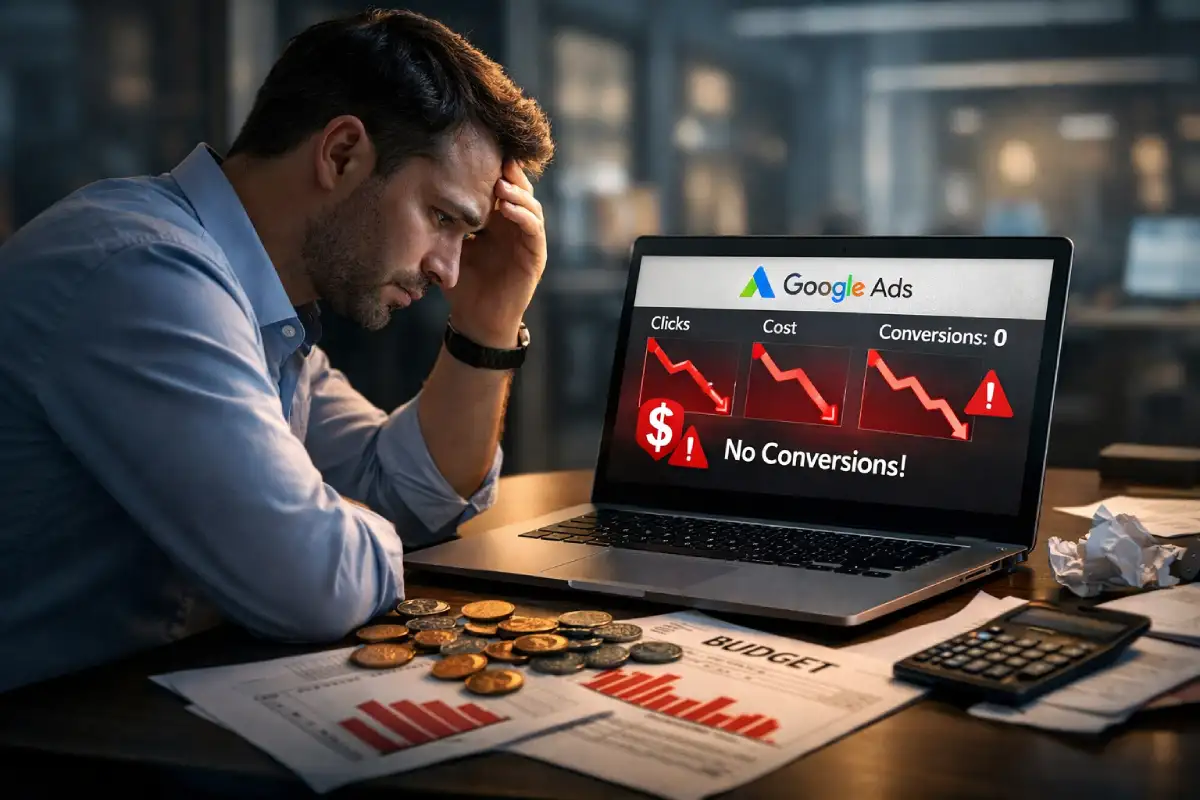
Introduction
You pour money into Google Ads. Clicks roll in like rain. But sales? Leads? Nothing. It's like inviting guests to a party and watching them leave before the music starts. This mismatch hits hard for businesses chasing growth. It drains your budget without filling your pipeline.
The real issue often hides in conversion tracking. That's the system that spots when someone takes action after clicking your ad, like buying a product or signing up for a newsletter. Without solid tracking, you chase shadows instead of spotting leaks in your setup. You think ads work fine, but the data lies. We'll fix that by checking the whole funnel, from ad click to final goal. If you need a broader overview of Google Ads lead generation, start there first.
Diagnosing the Tracking and Technical Foundation
Start here if your Google Ads aren't converting. Get the basics right before tweaking anything else. Weak foundations crumble under pressure.
Verifying Conversion Tracking Accuracy
Check if your tags fire correctly. Use Google Tag Manager for easy setup, or hardcode them if you prefer direct control. Watch real-time reports in Google Ads to see events trigger on test actions.
Dive into goal setups. Track specific page views for simple wins, or button clicks for deeper interactions. Mismatches here hide true performance.
Grab the Google Tag Assistant extension. It flags errors right in your browser. Run a quick test on your site to spot issues fast. This step alone saves hours of guesswork.
Assessing Account Structure and Ad Relevance
Build tight ad groups around single themes. Single Keyword Ad Groups keep focus sharp. Match search queries to ad text word for word.
Audit negative keywords often. They block junk traffic that eats your budget. Loose setups let irrelevant searches slip through.
Take this example: A broad ad group for "shoes" pulls in "shoe repair" clicks. Quality Score drops, CPC jumps, and you pay more for worse spots. Restructure to target "running shoes buy" instead. Conversions climb as relevance soars.
Quality Score: The Unsung Conversion Killer
Quality Score blends three parts: expected click-through rate, ad relevance, and landing page experience. Low scores hike your costs and bury your ads.
Poor expected CTR comes from weak headlines that don't grab attention. Fix it with punchy, benefit-focused copy.
Ad relevance fails when keywords and ads drift apart. Landing pages that don't deliver on promises tank the experience score. Boost all three to cut costs and reach ready buyers.
The Crucial Disconnect: Ad Copy to Landing Page Mismatch
Ads promise gold, but pages deliver dust. This gap kills conversions. Bridge it to turn clicks into cash.
Message Congruence: From Headline to Value Proposition
Your ad headline sets the hook. The landing page H1 must echo it exactly. No vague intros—deliver the promise front and center.
Support claims with clear value props. Bullet out benefits like faster delivery or money-back guarantees. Test ad versions against page tweaks to find winners.
Run A/B tests. Swap headlines or add urgency like "Limited Stock." Track how small changes lift rates. Message match builds trust fast.
Optimizing Landing Page Speed and Mobile Experience
Slow pages chase users away. A one-second delay can drop conversions by 7%, per industry stats. Mobile hits harder—half of traffic comes from phones.
Test with Google PageSpeed Insights. Focus on Core Web Vitals, especially Largest Contentful Paint. Aim for under 2.5 seconds.
Compress images and minify code. Switch to responsive designs that fit any screen. Fast, smooth pages keep visitors engaged and converting.
Eliminating Friction in the Conversion Path
Forms scare off leads if they're too long. Limit fields to essentials: name, email, maybe phone. Clear privacy notes build trust without clutter.
CTA buttons must stand out. Use bold colors and action words like "Get Started Now." Test placements above the fold.
Compare lead gen forms to e-commerce checkouts. Short paths suit quick sign-ups; detailed ones fit big buys. Remove barriers to smooth the flow.
Targeting Errors: Reaching the Wrong Audience
Wrong targets waste shots. Refine your aim to hit buyers, not browsers. Precision pays off.
Refining Audience Layers: Beyond Basic Demographics
Go past age and gender. Use Remarketing Lists for Search Ads to retarget warm leads. They convert at higher rates.
Layer in-market audiences for active shoppers. Build custom intent lists from search terms or site visits.
Start in observation mode. Let data guide before full targeting. This way, you expand reach without blind bets. For deeper keyword tweaks, check a solid Google Ads in Ghana guide.
Bid Strategy Misalignment with Campaign Goals
Manual CPC gives control but demands time. Switch to automated like target CPA only with solid data. New campaigns need a learning phase—50 conversions minimum.
Automated bids flop without history. They chase ghosts, burning budget on low-value clicks.
Match strategy to goals. Use tROAS for e-commerce revenue focus. Monitor and adjust to align with your bottom line.
Geographic and Time-of-Day Performance Audits
Not all places convert equal. Pull "Where" reports to spot hot zones. Boost bids in high performers; pause the rest.
Time matters too. "When" reports show peak hours. If your crowd shops evenings, dial up then.
Adjust bids by 20-50% based on data. This targets active, ready users without broad waste.
Analyzing and Iterating Post-Click Behavior
Clicks are just the start. Dig into what happens next. Data reveals the path to fixes.
Leveraging Google Analytics for Conversion Flow Analysis
Link Google Ads to Analytics for full views. Funnel reports map drop-offs from page load to purchase.
Spot cart abandonment spikes. Users view products but bail at checkout? Simplify steps or add trust signals.
Use multi-channel funnels to see ad influence over time. This uncovers hidden leaks in the journey.
Understanding User Intent: Analyzing Search Term Reports Deeply
Search terms tell stories. Add negatives for clear mismatches, but probe why they show.
Informational queries like "what is SEO" trigger transactional ads? That's a sign to refine keywords.
Shift to buyer-focused terms. Analyze patterns to grow or shrink lists. Intent match drives real conversions.
Implementing Conversion Rate Optimization (CRO) Testing
A/B tests beat guesswork. Pit two headlines against each other on traffic-heavy pages.
Go multivariate for big sites. Test combos of images, text, and CTAs together.
Prioritize high-impact spots: prices, testimonials, urgency. Tools like Google Optimize help run them. Small lifts compound into big gains. For punchier buttons, try a contact-focused CTA or a strong free audit offer.
Moving from Clicks to Cash Flow
Conversion woes stem from funnel flaws, not ad magic alone. Fix the chain from click to close.
Validate tracking first—it's the bedrock. Then iterate creatives with data as your guide.
Sustained wins come from constant audits. Track, test, tweak. Your budget turns profitable.
If you want help applying this to your own account, see our PPC services or explore Google Ads for doctors for a niche example.