
 Local SEO Strategy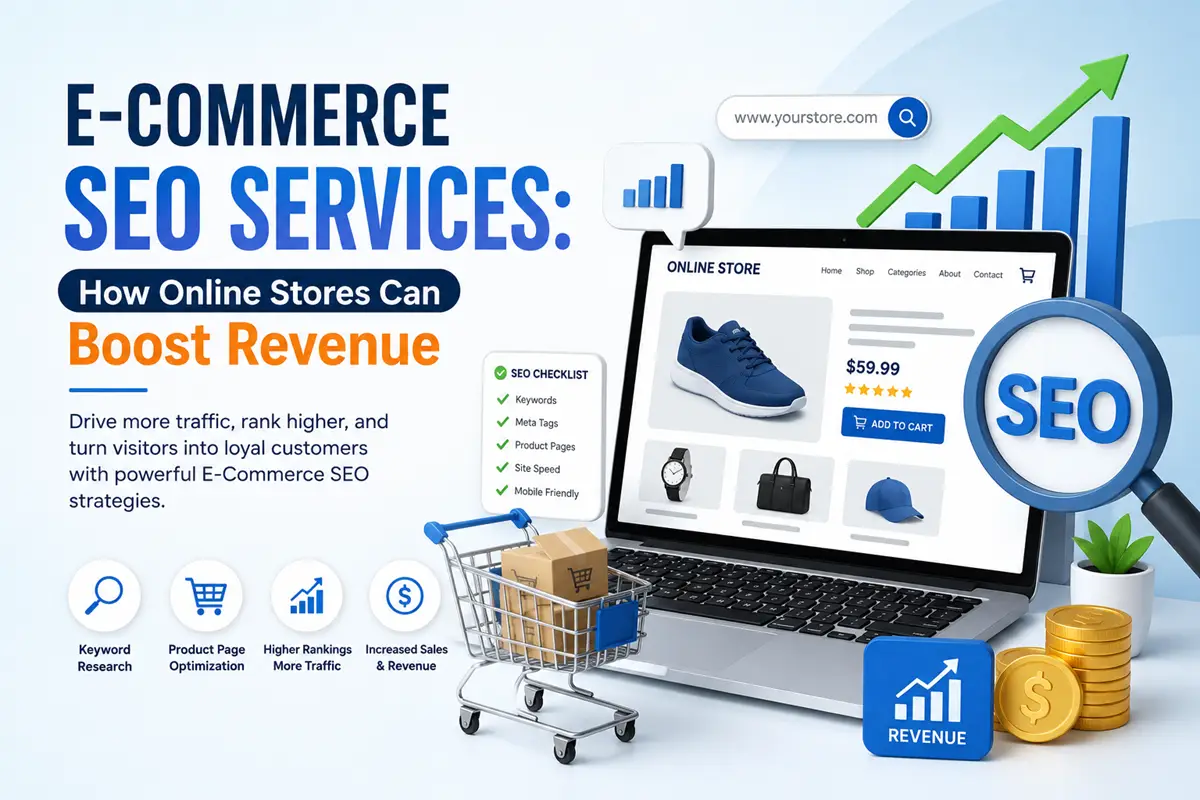
Introduction
Running an online store is not just about adding products and waiting for customers to arrive. Even if you sell high-quality products at fair prices, people still need to be able to find you. With thousands of stores competing for the same attention, visibility in search results can make a real difference to your revenue.
That is where e-commerce SEO services come in. SEO helps online stores appear when shoppers are searching for products, comparing brands, researching features, or looking for the best price. Instead of relying only on paid ads, social media, or marketplace traffic, your store can build a more dependable source of visitors through organic search.
The benefit goes beyond traffic. Good e-commerce SEO brings in people with stronger buying intent. A visitor searching for a particular product type, size, material, or brand is often much closer to making a purchase than someone who sees a random ad while scrolling. When your product and category pages are easy to find, clear to use, and built around real customer needs, search visibility can turn into meaningful sales growth.
For growing online stores, SEO should not be treated as a one-time checklist. It is an ongoing process that includes technical improvements, content planning, product-page updates, internal linking, and conversion work. When those pieces work together, your website becomes easier to find, easier to shop, and better positioned to generate revenue over time.
Importance of SEO for E-Commerce
SEO is important for e-commerce because search is often where the buying journey begins. Before someone purchases a product, they may search for a brand, compare options, read reviews, look for product specifications, or search for a problem that product can solve. If your store is absent during those moments, a competitor is likely getting the click instead.
Paid advertising can bring fast traffic, but it stops the moment the budget is paused. SEO works differently. A strong product page, category page, or helpful buying guide can continue attracting visitors long after it is published or optimized. That makes organic search a valuable long-term asset for online retailers.
SEO also helps reduce dependence on a single marketing channel. Many online stores rely heavily on paid ads, social platforms, or third-party marketplaces. Those channels can be useful, but costs can increase, rules can change, and visibility can disappear quickly. Organic search gives your business more control over how shoppers discover your products.
Another major benefit is customer intent. Someone searching “best running shoes for flat feet” is likely looking for guidance before buying. Someone searching “women’s waterproof hiking boots size 8” may be ready to purchase immediately. A strong e-commerce SEO strategy helps your store show up for both types of searches, with content that fits where the shopper is in their decision process.
For smaller stores, SEO can also level the playing field. You may not have the advertising budget of a major retailer, but you can still compete for specific searches by creating better product information, more useful category pages, clearer answers, and a smoother shopping experience.
Product Page Optimization
Product pages are often where e-commerce SEO and revenue come together. A shopper may arrive on a product page after searching for a specific item, and within seconds they decide whether to keep reading, add the item to their cart, or leave. That makes the page one of the most important parts of the entire store.
A well-optimized product page starts with a clear, descriptive title. The title should make it obvious what the product is and include the wording shoppers are likely to use when searching. It should not be vague, overly clever, or packed with repeated terms. Customers want clarity, and search engines do too.
Product descriptions also matter more than many store owners realize. Manufacturer descriptions are often copied across dozens of websites, which makes it difficult for your page to stand out. Original descriptions give you an opportunity to explain the product in a helpful way, highlight the benefits, answer likely questions, and address common concerns.
For example, a product page for a leather office chair should do more than list dimensions and color options. It could explain who the chair is suitable for, what kind of workspace it fits, how the material feels, how much adjustment it offers, and what buyers should know before choosing it. Details like these help shoppers make decisions with more confidence.
Images are just as important. Online shoppers cannot touch or test the product, so your visuals need to do some of the selling. Use clear images from different angles, show relevant details, and include lifestyle photos where appropriate. Image file names and alternative text should also describe the product naturally so the page remains accessible and easier for search engines to interpret.
Product pages should also make buying simple. Pricing, stock status, delivery information, returns, size guides, product variations, and the add-to-cart button should be easy to find. A customer should not have to dig through the page to learn whether the product is available or whether it will work for their needs.
Reviews, ratings, and customer questions can strengthen product pages as well. They offer social proof and often answer concerns that marketing copy does not cover. When shoppers see that other people have purchased and used the product, hesitation tends to decrease.
Category Page SEO
Category pages are often overlooked, but they can be some of the highest-value pages on an e-commerce site. While product pages target specific items, category pages help you compete for broader searches such as “men’s running shoes,” “organic skincare products,” or “office furniture for small spaces.”
These pages guide customers who know what type of product they want but have not chosen an exact item yet. That makes category pages important for both discovery and conversion. A good category page should help shoppers browse easily while also giving search engines enough context to understand what the section is about.
Start with a clear page title and heading that describe the category naturally. If you sell kitchen appliances, a category page titled “Compact Countertop Blenders” is much more useful than a generic label such as “Products.” The title should reflect how real shoppers search and make the page’s purpose obvious.
A short, helpful introduction can also improve the page. This does not need to be a long block of promotional writing. It can explain the types of products available, who they are best for, and what customers should consider when choosing. The goal is to add value, not fill the page with repeated search terms.
Filters and navigation are especially important on category pages. Shoppers should be able to sort by size, color, price, brand, material, style, or other relevant features without getting lost. At the same time, the filtering system needs to be managed carefully so it does not create an excessive number of weak or duplicate URLs for search engines to crawl.
Internal links can support category page visibility too. Blog posts, guides, featured collections, and related categories should link naturally to important product sections. This helps customers discover more options while showing search engines which sections of the store are most important.
A strong category page makes browsing easier. It gives shoppers a useful starting point, helps them narrow their choices, and creates a direct path toward the products most likely to fit their needs.
Technical SEO for Online Stores
Technical SEO is especially important for e-commerce websites because online stores often have a large number of pages. Product variations, filters, discontinued items, category pages, sorting options, and seasonal collections can create complexity quickly. If the technical side is not managed carefully, search engines may struggle to understand which pages deserve to be indexed.
Site speed is one of the first areas to review. Product photos, tracking scripts, third-party tools, and large product catalogs can slow down an online store. When pages take too long to load, shoppers may leave before looking at the products. A slow site can hurt user experience, conversion rates, and organic performance.
Mobile usability matters just as much. A large share of online shopping happens on phones, especially for quick product research and repeat purchases. Product images should load properly, filters should be easy to use, buttons should be easy to tap, and checkout should not feel frustrating on a smaller screen.
Duplicate content is another common challenge. E-commerce stores may create similar URLs through product variations, filter combinations, tags, printer-friendly pages, or internal search results. Without the right setup, search engines may see multiple versions of the same page and struggle to decide which one should appear in results.
Technical SEO services can help manage issues such as canonical tags, redirects, broken pages, XML sitemaps, crawl errors, and indexation rules. This work may happen behind the scenes, but it has a direct impact on whether your most important pages can be found and ranked.
Structured data can also be valuable for online stores. When product information is marked up correctly, search engines can better understand details such as price, availability, reviews, and product identifiers. This can improve the way pages are presented in search and help shoppers see useful information before they click.
A technically healthy store gives every other SEO effort a better chance to work. Great product copy and strong category pages are useful, but they can only perform well if search engines can crawl, understand, and access them properly.
Content Marketing for E-Commerce
Content marketing gives e-commerce brands a way to reach shoppers before they are ready to buy. Not every customer begins with a product search. Many people start by asking a question, researching a problem, comparing materials, or looking for advice.
This is where useful content becomes valuable. Buying guides, how-to articles, product comparisons, care instructions, gift guides, and FAQs can attract people at earlier stages of the customer journey. These pages create an opportunity to introduce your brand before the shopper has made a final decision.
For example, a store that sells coffee equipment might publish a guide comparing burr grinders and blade grinders. A skincare brand could explain how to choose products for dry or sensitive skin. A home décor retailer might create a guide to choosing the right rug size for a living room. Each piece of content can answer a real question while leading naturally to relevant products.
The best e-commerce content does not feel like an extended sales pitch. It should genuinely help the reader. If the article is useful, clear, and connected to the products you sell, it can build trust without forcing the sale.
Content can also support product and category pages through internal linking. A guide on “how to choose trail running shoes” can link to relevant shoe categories, waterproof options, and product collections. This creates a smoother experience for shoppers and helps search engines understand the relationship between educational content and commercial pages.
Seasonal content can be useful too. Gift guides, holiday collections, back-to-school content, summer travel checklists, and winter care guides can attract customers during periods of higher demand. The key is to plan ahead, update the content each year, and make it useful rather than generic.
Link Building Strategies
Link building helps improve the authority and visibility of an e-commerce store, but it should be approached carefully. The goal is not to collect a large number of random links. The goal is to earn relevant mentions from websites, publications, creators, and organizations that make sense for your brand.
One effective approach is to create content worth referencing. A detailed buying guide, original research piece, useful tool, visual resource, or expert-led article can give other websites a reason to link to your store. This works better than chasing links with no real value behind them.
Digital PR can also be helpful. If your business has an interesting story, unique product launch, founder perspective, industry insight, or local initiative, it may be worth sharing with relevant journalists or publications. A genuine mention from a trusted site can improve visibility and bring direct referral traffic as well.
Partnerships can create natural link opportunities too. Working with suppliers, complementary brands, niche bloggers, industry groups, or local organizations can lead to credible references. For example, a sustainable clothing brand may collaborate with an environmental organization, while a fitness store may work with trainers or local sports clubs.
Product reviews and creator partnerships can also help when handled honestly. Sending products to relevant reviewers or experts may lead to useful coverage, as long as the relationship is transparent and the content is genuine. The purpose should be to earn exposure and trust, not manipulate search results.
Avoid shortcuts such as buying large batches of low-quality backlinks or submitting your store to irrelevant directories. Those tactics may look appealing because they are quick, but they rarely create lasting value. Strong links should support your brand reputation as well as your SEO.
Conversion Optimization
E-commerce SEO should not end when a shopper reaches your website. The next goal is to make it easy for that person to buy.Conversion optimization focuses on removing friction from the shopping process and helping visitors feel confident enough to complete an order.
Start with the basics. Your site should be easy to navigate, categories should make sense, and search functionality should help users find products quickly. If a customer cannot locate what they need within a few clicks, they may leave and shop elsewhere.
Product pages need clear calls to action, visible pricing, reliable stock information, and straightforward delivery details. Unexpected costs, confusing shipping policies, or unclear return terms can cause shoppers to abandon their carts. The more transparent you are, the easier it is for customers to move forward.
Trust is a major part of conversion. Secure checkout badges, customer reviews, clear return policies, responsive customer support, and recognizable payment methods all reduce hesitation. People are more likely to purchase when they feel their information is safe and the business will support them if something goes wrong.
Checkout should be as simple as possible. Avoid asking for unnecessary information, reduce the number of steps, and make sure the process works smoothly on mobile. Even small complications can lead to abandoned carts, particularly when customers are shopping quickly from a phone.
It is also helpful to test how people move through the site. If a category page gets plenty of traffic but few clicks to products, the layout or product selection may need improvement. If visitors add products to their cart but do not complete checkout, the issue may be related to shipping, payment options, or checkout complexity.
SEO brings visitors in, but conversion optimization helps turn that interest into revenue. The two should always work together.
Conclusion
E-commerce SEO services help online stores build a stronger, more sustainable path to revenue. By improving product pages, category pages, technical performance, content, authority, and conversion flow, your store becomes easier for shoppers to find and easier for them to trust.
The strongest results usually come from treating SEO as part of the overall customer experience. A search-friendly store is not just built for rankings. It is built to answer questions, make products easy to discover, and remove the barriers that stop people from buying.
For online retailers, the opportunity is significant. Each optimized page can become another doorway into the store. Over time, those doorways can bring qualified visitors, support repeat discovery, and create a more reliable source of sales growth without depending entirely on paid traffic.